A Cave Shaped by Nature and Time
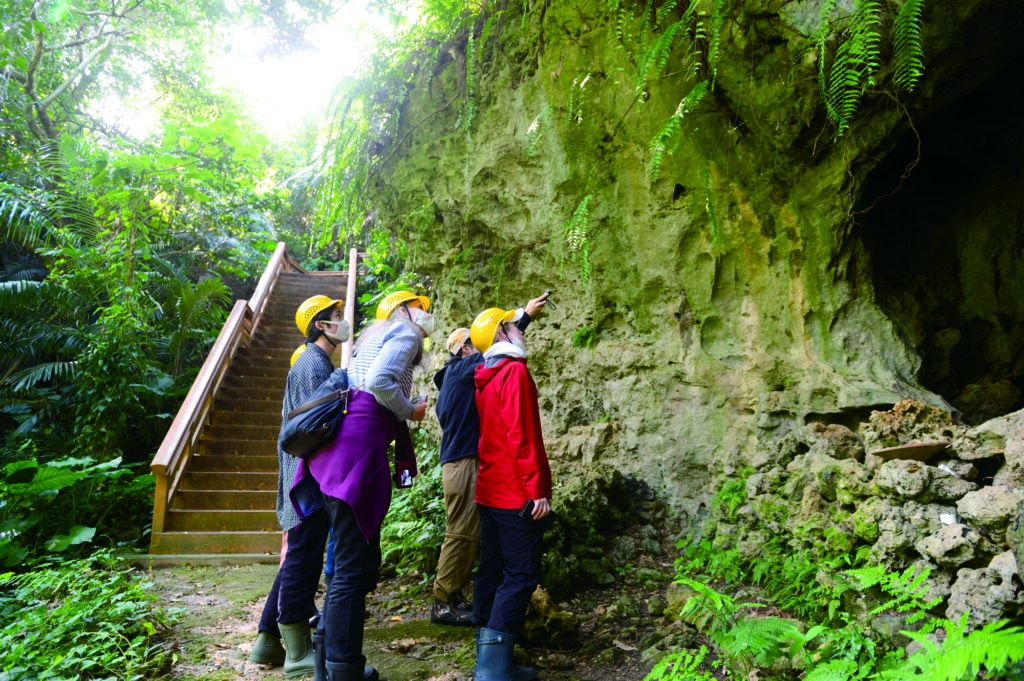
Yajia-Gama is one of Kumejima’s most fascinating natural caves. The cave stretches for approximately 800 meters and is home to unique cave formations and wildlife.
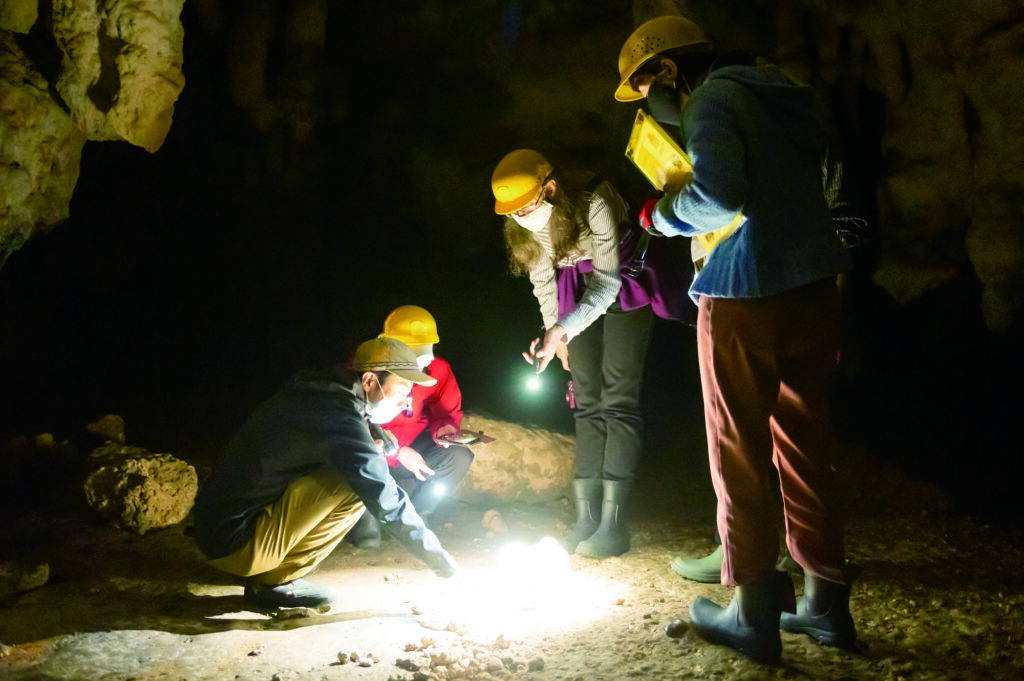
Some of the stalactites inside the cave are believed to have formed over thousands of years. The darkness and quiet atmosphere make Yajia-Gama a place where visitors can experience a different side of Kumejima’s natural environment.
A Place Connected to the Ancestors
Yajia-Gama is not only a natural wonder, but also a place deeply connected to the history and traditions of Kumejima.
In the past, the cave was used for fūsō, a traditional Okinawan burial practice in which the deceased were placed in a natural environment rather than being cremated. Yajia-Gama is known as one of Kumejima’s historic fūsō burial sites.
For generations, the cave has been a place connected to the island’s ancestors and traditional beliefs.
A Place of History and Memory
During World War II, Yajia-Gama was also used as a shelter by local residents.
The cave therefore holds memories of an important and difficult period in Kumejima’s history, alongside its much older connection to traditional burial practices.
A Sacred Place to Be Respected
Yajia-Gama is a place where nature, history and traditional beliefs come together.
The cave has no electric lighting, and the ground can be slippery. There are also narrow areas inside the cave. A guided visit is recommended, especially for first-time visitors.
Please respect the history and traditions of the island. Do not touch any remains, urns or other objects inside the cave, and avoid disturbing the wildlife that lives there.
VISITING YAJIA-GAMA
Go with a local guide
Because of the cave’s conditions and its cultural importance, visiting with a local guide is recommended.
Bring:
・Comfortable clothes and shoes (can get dirty)
・A flashlight
Please remember:
・The cave can be slippery.
・Some areas are narrow.
・Do not touch remains, urns or cave formations.
・Respect the cave as a place of history and tradition.