
Discover the traditions, crafts, and stories that have shaped life on Kumejima.
From Kumejima Tsumugi and traditional crafts to music, festivals, and everyday island life, Kumejima’s culture has been passed down through generations. Explore the traditions and stories that continue to shape the island today.
Many of these traditions are still part of everyday life today.
Traditional Crafts
Kumejima has a long history of traditional craftsmanship, shaped by the island’s natural environment and the skills passed down through generations.

Kumejima Tsumugi
Kumejima Tsumugi is one of Japan’s traditional silk textiles, known for its natural colors and distinctive patterns.
The craft has been passed down on Kumejima for more than 500 years. From preparing the silk threads to dyeing and weaving, each piece is carefully made by hand.

Yachimun & Shisa
Yachimun is Okinawan pottery, traditionally made by hand from local clay.
Shisa, the familiar guardian figures found throughout Okinawa, are also an important part of island culture. They are often placed on rooftops or at entrances to protect homes and bring good fortune.
☞
Traditional Arts & Practices
Music and performing arts have long been part of life on Kumejima.
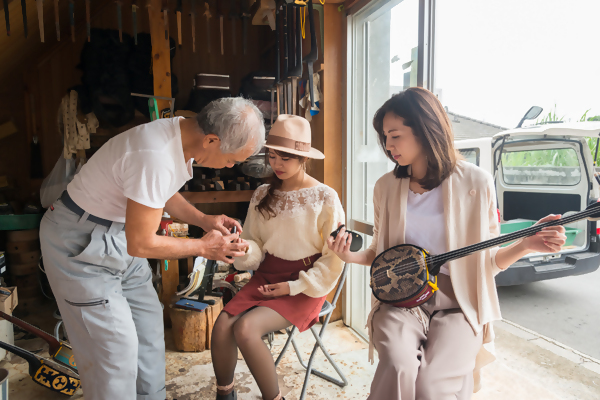
Sanshin
The sanshin is a traditional Okinawan three-stringed instrument. Its distinctive sound can be heard at festivals, celebrations, and gatherings across the islands of Okinawa.
On Kumejima, music is closely connected to community and everyday island life.
☞
Traditional Martial Arts (Kobudo)
Kobudo is a traditional Okinawan martial art that has been passed down through generations. On Kumejima, it remains an important part of the island’s cultural heritage.
☞
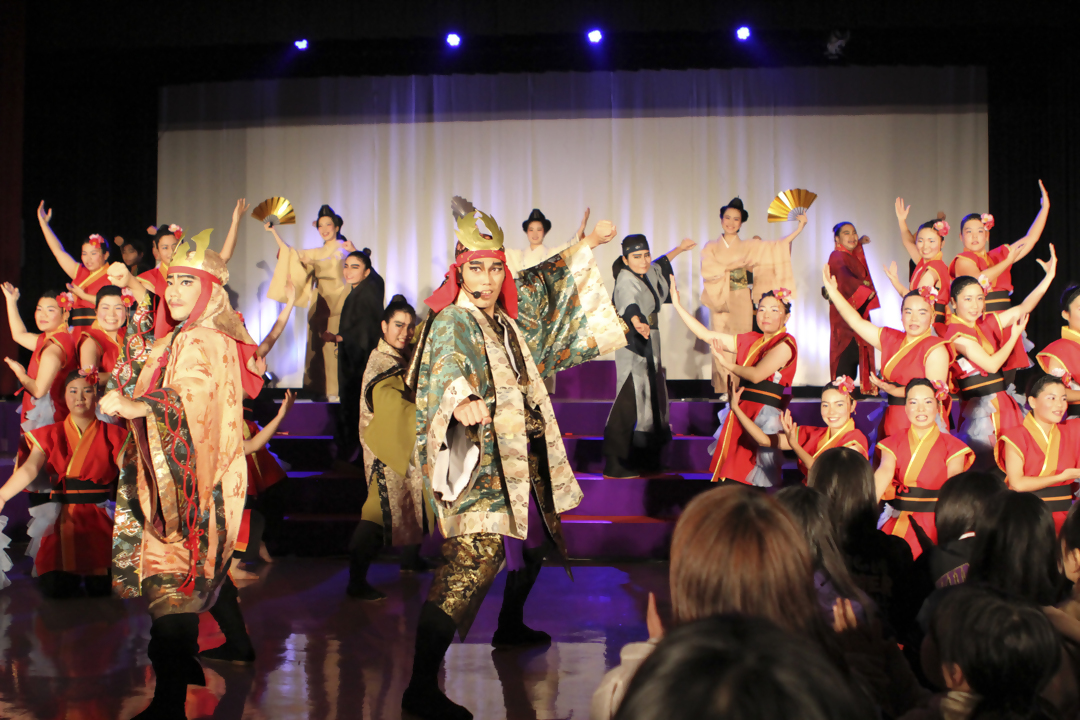
TraditionaGashashi Wakachara - A Modern Kumi Odoril
Gashashi Wakachara is a modern Kumi Odori performance based on the history and legends of Kumejima. The story is inspired by a real-life Aji, a local ruler who lived on the island around 500 years ago, and his son Wakachara. Combining traditional performing arts with dance, music, and modern staging, the performance brings Kumejima’s history to life for a new generation.
☞
Festivals & Traditional Events
Throughout the year, Kumejima’s traditional festivals and events bring together local communities, generations, and traditions. These lively celebrations offer a glimpse into the island’s culture and the traditions that have been passed down through generations.
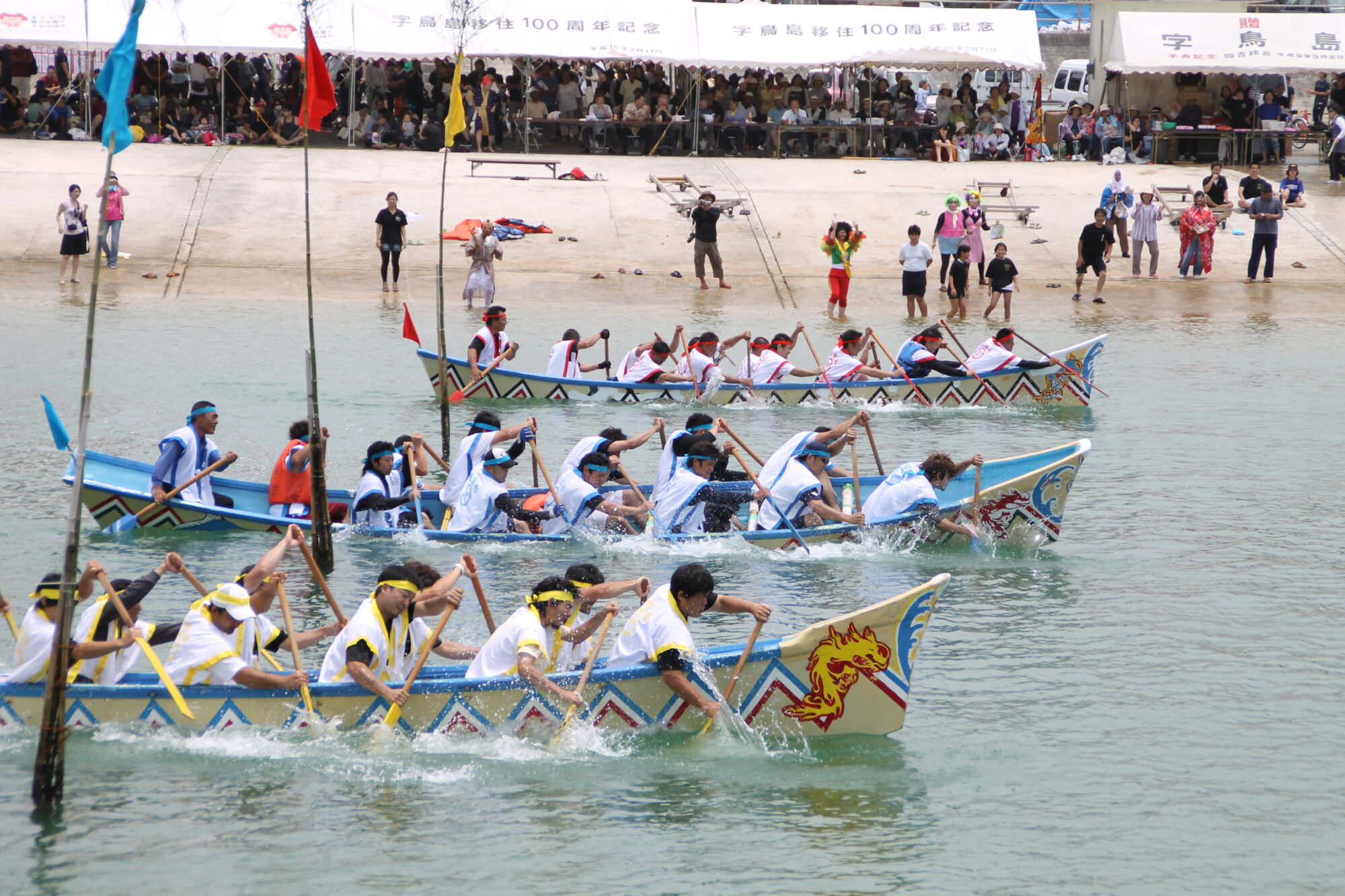
Hari - Traditional Dragon Boat Race
Hari is a traditional Okinawan dragon boat race held in communities across Okinawa. On Kumejima, it is a lively local event where teams compete in long, colorful boats while local people gather to cheer and celebrate. Hari is also connected to prayers for good health, safety, and a good harvest.
Eisa - Traditional Okinawan Dance
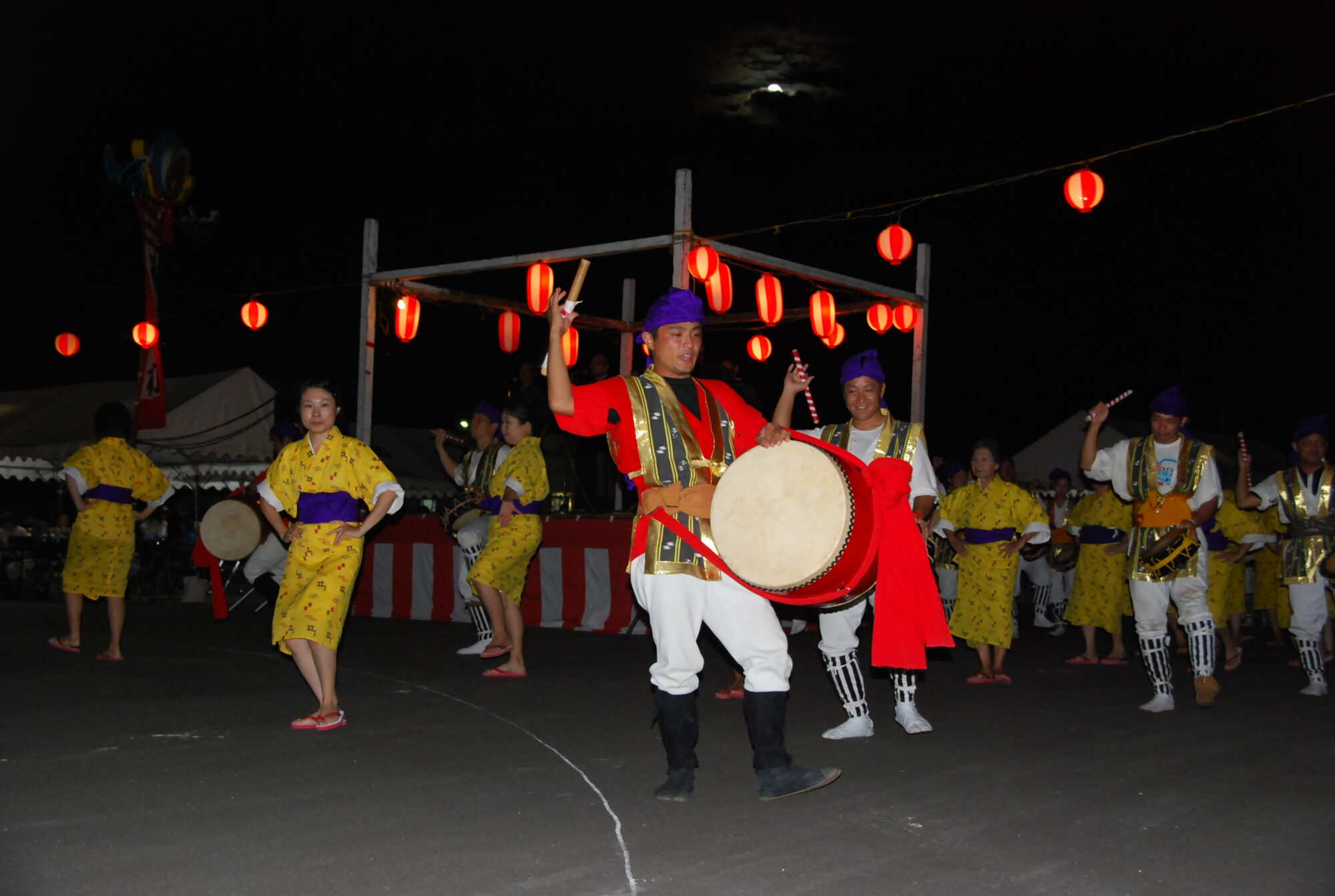
Eisa is a traditional Okinawan dance performed with drums, singing, and lively movements. It is often seen during festivals and community celebrations, bringing people together through music and dance. On Kumejima, Eisa continues to be an important part of local cultural events.
Kakuriki - Okinawan Sumo
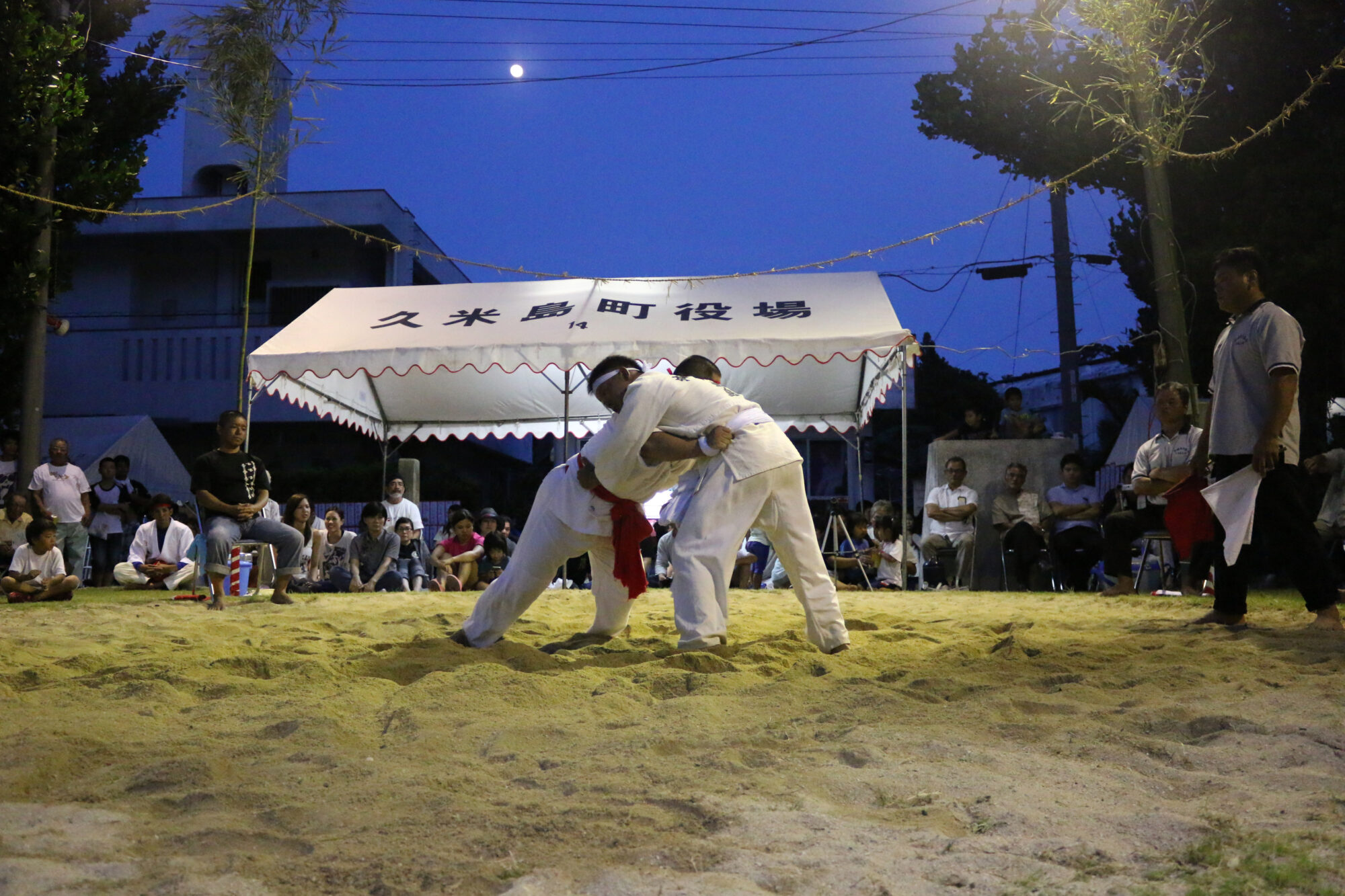
Okinawan sumo, known locally as Shima-zumō, is a traditional form of wrestling that is deeply rooted in Okinawan island culture. Unlike Japanese professional sumo, wrestlers compete without the formal rules and rituals of the national sport. On Kumejima, sumo matches are held during local festivals and community events.
Kanegusuku Shishimai - Traditional Lion Dance
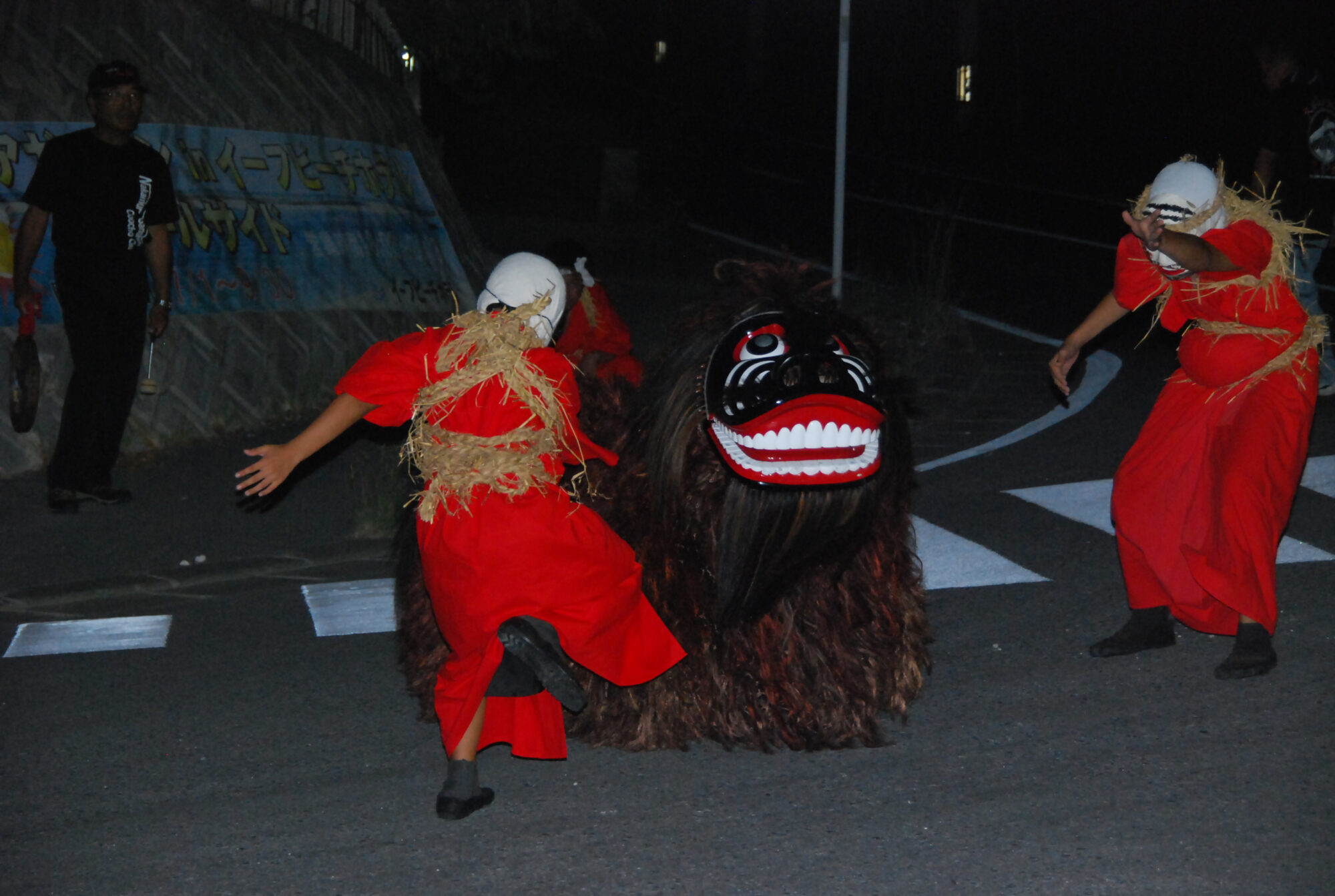
Kanegusuku Shishimai is a traditional lion dance performed in the Kanegusuku area of Kumejima. The lion is believed to protect the community from evil and bring good fortune. The dance is performed during local celebrations and is an important part of the island’s traditional culture.