Why Is It Called Kumejima?
 Kumejima Inbound
The story behind the island once known as “Kumi”
Today, we know this island as Kumejima. But long before the name became familiar, the island was known as “Kumi,” written as 球美. The name “Kumi” has a history stretching back more than 1,300 years.
So, where did this old name come from?
An Island Called “Kumi”
Kumejima has long been known by the name “Kumi” (球美), as well as “Kumejima” (久米島). The old name can still be found today in the expression “Kumi no Shima” — the Island of Kumi. The island was also described as one of the most beautiful islands of the Ryukyu Islands.
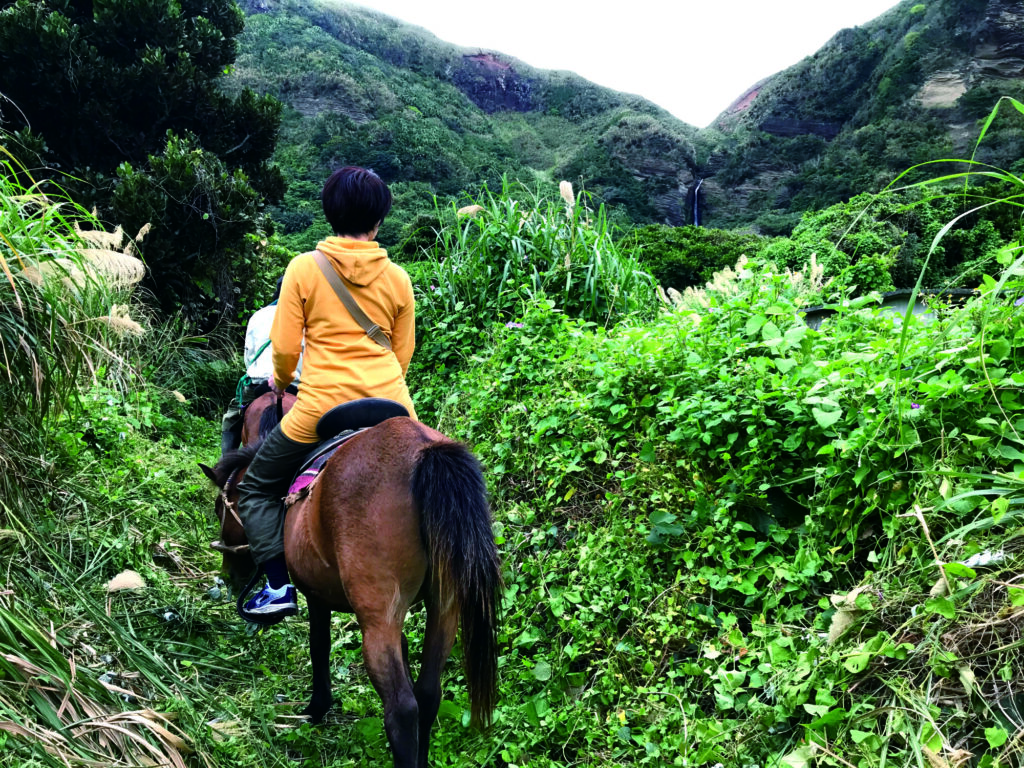
Even today, when you look across Kumejima's clear waters, white beaches, green mountains, and quiet villages, it is easy to understand the connection between the island and its beautiful name.
A Name That Appears More Than 1,300 Years Ago
The name “Kumi” is not a recent nickname. In 714, during the Nara period, people from a place called Kumi (球美) were recorded as having traveled to Nara. Kumejima is understood to be the island referred to by this name. This makes Kumi one of the oldest names connected to Kumejima that appears in historical records.
More than 1,300 years ago, the island already had a name that has continued to echo through its history.
Water and Rice
There is another important part of Kumejima's story: water.
The island has abundant natural springs. In the past, these springs were called “yama no shiru,” or “mountain juice.” People used this water to create rice fields, and rice cultivation became an important part of life on the island
Water shaped the land. The land supported rice cultivation.
And rice supported the communities that developed across the island.
The story of Kumejima is therefore closely connected to the relationship between water, land, agriculture, and people.
What Does “Kumi” Mean?
There is no single confirmed explanation for the origin of the name “Kumi.”
What we do know is that the name Kumi (球美) has been associated with Kumejima for centuries, and that the island was also known as Kumi no Shima.
The island's long history of rice cultivation is another important part of the story.
Rather than one simple answer, the name gives us a glimpse into the many layers of Kumejima's history.
Kumi Still Lives on Today
Although we now commonly call the island Kumejima, the old name “Kumi” has not disappeared. It continues to be used in local names and events. One example is Kumi no Hi, Kumejima Tourism Day, which takes its name from the island's old name. “Kumi” is therefore more than a name from the past. It remains part of the identity of Kumejima today.
More Than a Name
A place name can tell us more than where a place is. It can hold memories of the landscape, the people who lived there, and the way they used the land. The story of Kumi takes us back more than 1,300 years.
It connects us to Kumejima's water, rice fields, villages, and the people who have made the island their home.
So when you hear the name Kumejima, remember another name that has been part of this island's story for centuries:
Kumi — 球美.
A small name with a long story.